Category: World Axis
-

The Mithraic Tauroctony
Mithraism was a Roman mystery religion, dating to the first few centuries CE. The central image of Mithraism was the so-called ‘tauroctony’ (bull-slaying) scene in which the god Mithras stabs a bull in the shoulder. The tauroctony scene was often depicted at the centre of a zodiacal wheel, and it’s long been thought that the…
-
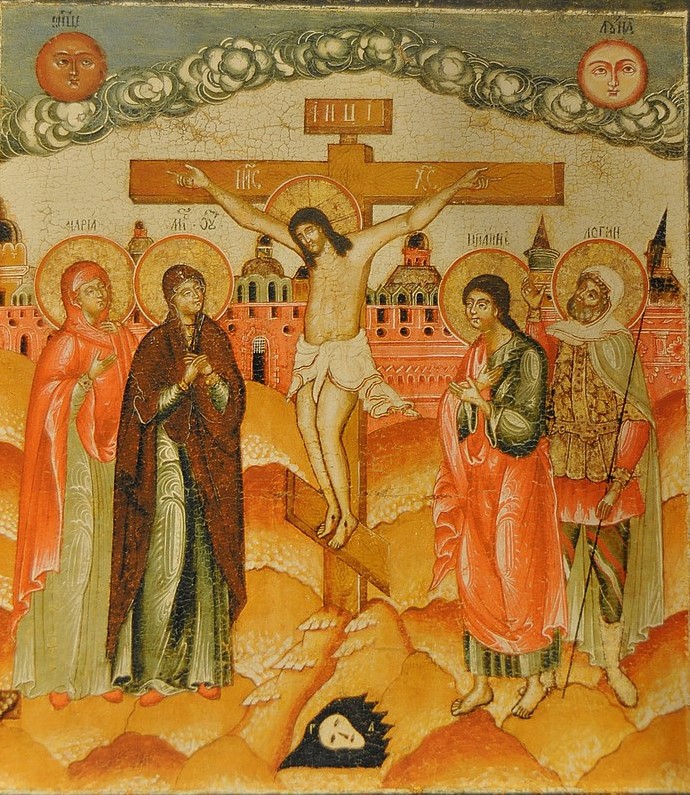
The Crucifixion, Adam and the Tree of Eden
Numerous Christian authors from the third and fourth century onwards made the connection between the crucifixion, Golgotha and Adam. The church father Origen (185 – 254 CE) wrote, ‘I have received a tradition to the effect that the body of Adam, the first man, was buried upon the spot where Christ was crucified.’ (Commentary on…
-
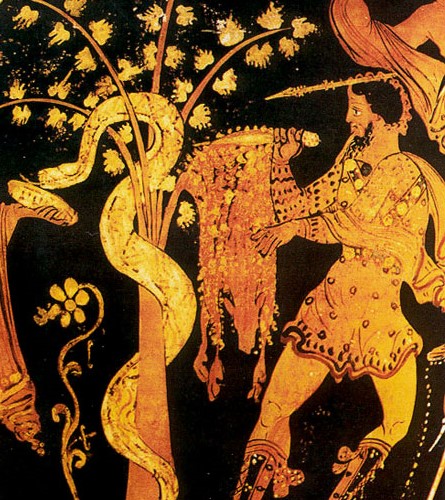
Further Adventures of the Serpent in the Tree
The motif of the serpent in the tree probably originates in ancient Mesopotamia. We find a possible allusion to it in The Myth of Etana. Tablet II tells of ‘A shrine for Hadad, the god. In the shade of that shrine a poplar was growing. In its crown an eagle settled, a serpent settled at…
-
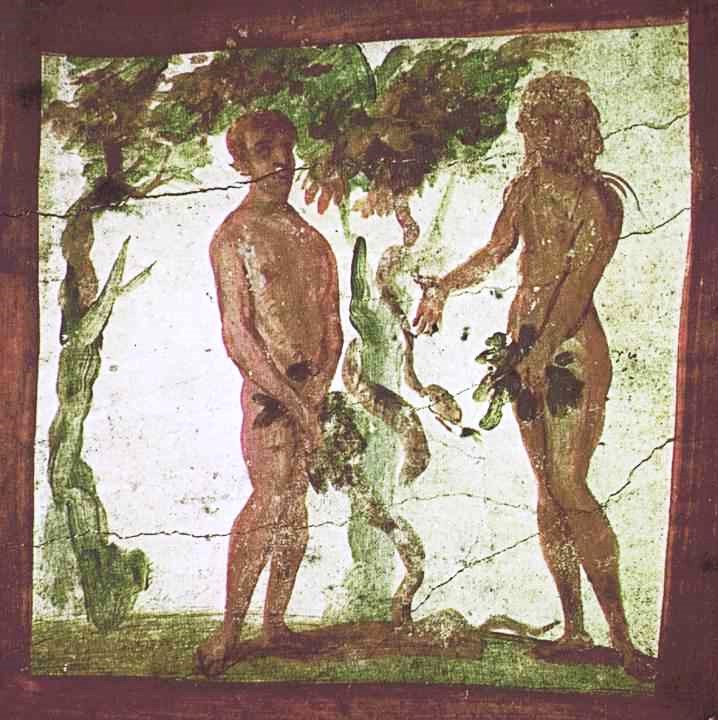
The Garden of Eden
The story of the original fall and the Garden of Eden is an easy myth to understand once one realises that a serpent (or dragon) in a tree is a scene that has parallels elsewhere in ancient mythology. The tree has been an important mythological metaphor for the world axis in many religious traditions. The…
-

Ritual Heavenly Ascents
Some priests, initiates and believers in the ancient world had visions and practiced ritual ascents to their gods. These ritual ascents were made by pagans, Christians and Jews alike. By the Roman era, they usually involved complex rituals and magical glyphs and passwords that had to be presented to the archons (a Greek word for…
-
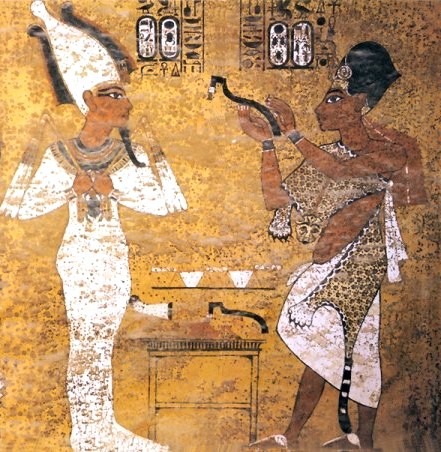
The World Axis as the Conduit Between Heaven and Earth
There’s a long and ancient tradition of religious belief in the world axis as a conduit between the sky and the earth, and the polar region of the sky as being a gateway to the divine realm. This belief goes back at least 4500 years, probably even longer. The ancient Egyptians believed that the soul…
-
The World Tree and Holy Mountain
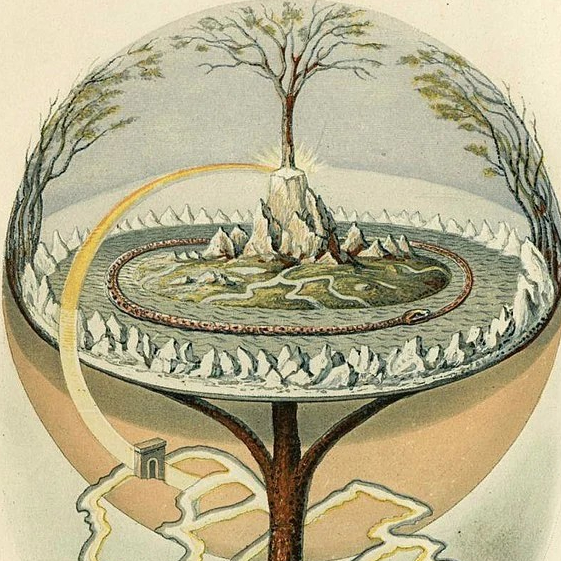
In religion, many symbols have been used to represent the world axis and the pole. These include the tree, column, ladder, cross, swastika, mountain, mill, whirlpool and hearth. Of these many motifs, the tree has probably been the most historically important, and it’s a simple metaphor to visualize. The trunk represented the central axis of…
-
The Omphalos or Navel of the Earth
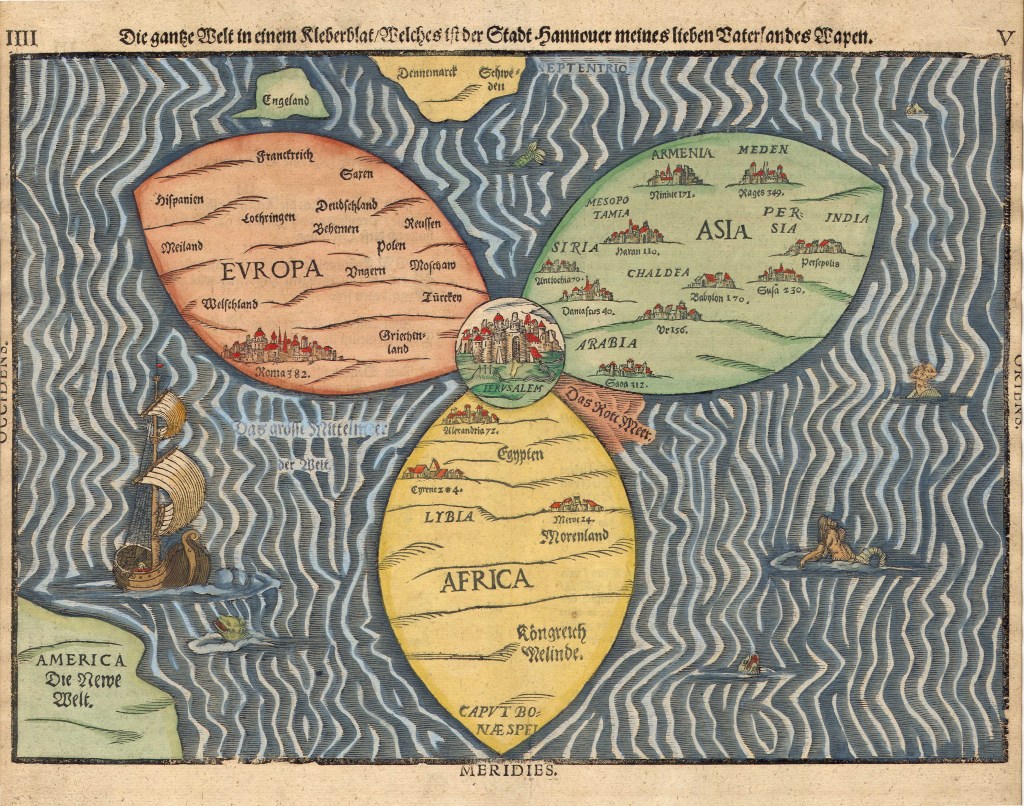
Many ancient civilizations believed in a navel or sacred centre, the earthly end of the world axis. For the Sumerians it was Nippur, for the Babylonians it was Babylon, for the Greeks it was Delphi, for the Jews and Christians it’s Jerusalem, for Buddhists it’s Bodh Gaya, and for Muslims it’s Mecca. One of the…
 World Axis